 Skip to main content

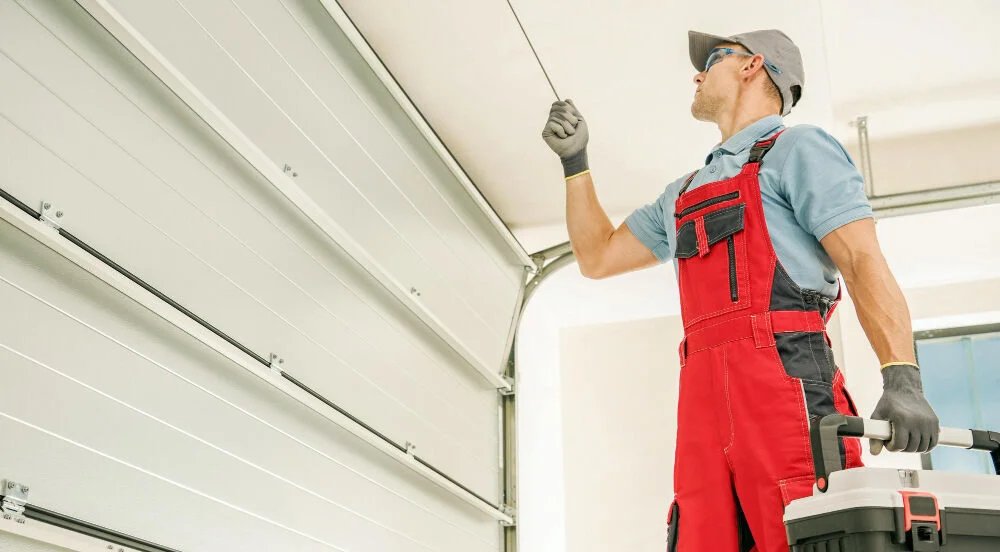
Garage door spring replacement in Edmonton is one of those services many homeowners do not think about until the door starts acting differently. In a city like Edmonton, where winter cold can settle in fast and garage doors get used through every season, springs wear down sooner than people expect. If your garage door feels heavier, sounds rough, or stops midway, the spring may be nearing the end of its life. Knowing the early signs can help you deal with the issue before the door becomes unsafe or leaves your vehicle stuck inside on a freezing morning.
What Your Garage Door Springs Actually Do
Your garage door springs carry most of the weight of the door when it opens and closes. Even a standard residential garage door can weigh a few hundred pounds, so the opener is not doing all the work on its own. The springs create the tension that helps the door move in a controlled way. When those springs begin to fail, the whole system feels off. You may notice the opener straining more than usual, or the door may no longer move smoothly along the tracks. This is often one of the first signs that the problem is not with the opener itself, but with the spring system behind it.
A garage door should not feel hard to lift when it is working properly. If you disconnect the opener and try to open the door manually, it should move with some resistance but not fight you. When a spring is worn or broken, the weight of the door becomes much more noticeable. Many homeowners first pick up on this during a normal routine. You head out early, hit the wall button, and the door jerks up only a few inches before stopping. Later, when you try to lift it by hand, it feels much heavier than it did the week before. That change in weight is often a clear signal that the spring is no longer doing its job.
Garage door springs can break with a sharp sound. People often describe it as a crack, snap, or sudden bang from inside the garage. It can be loud enough to sound like something fell off a shelf or hit the wall. Beyond the noise, you may also notice the door rising unevenly on both sides. If one side lifts faster than the other, or the movement looks shaky and uneven, there may be a spring issue. This can happen when one spring has weakened more than the other or when one has already failed. A crooked door should never be ignored, because it places extra stress on rollers, cables, and the opener, which can lead to more repairs beyond the spring itself.
A healthy spring helps balance the door so it stays in position during operation. If your door starts closing too quickly, stops halfway, or drifts down after opening, that balance is likely off. This issue frequently shows up during colder weather in Edmonton, when metal parts contract and already tired springs lose more of their tension. You might notice the garage door works fine on a mild Tuesday, only to act up during a deep freeze later in the week. While winter conditions can affect performance, repeated problems with balance usually point back to the springs.
Sometimes the clearest sign that replacement is needed is a visible gap in the coil of a broken torsion spring. Extension springs might also appear stretched out, loose, or uneven compared to normal. If you happen to glance up while dragging the recycling bins to the curb or pulling in after a long shift at work, it is worth paying attention to what the hardware looks like. A quick visual check reveals a lot about the health of your system. If the coil no longer looks tight and continuous, the spring is likely finished.
When springs weaken, your opener has to compensate for the lost tension. That means you might hear the motor running longer, straining, or sounding rougher than usual. Many homeowners assume they need a brand new opener when the real issue is simply that the door has become too heavy for the motor to manage comfortably. Modern garage door systems work best when each part supports the others, keeping springs, tracks, rollers, and the opener in sync. At Iceberg Overhead Doors, we provide services that can look at the full system to make sure everything operates the way it should after the spring is replaced.
Why Fast Service Matters
A failing spring rarely gets better on its own. Once wear starts affecting the balance of the door, the strain spreads to other parts. Cables can wear faster, rollers can take extra force, and the opener can burn out sooner than expected.
That is why many homeowners choose to act when the first few signs appear instead of waiting for a total breakdown. It is not just about convenience. It is also about keeping your garage door reliable during daily use, whether you are heading to work before sunrise or trying to get the kids inside after hockey practice in blowing snow.
If your garage door feels heavy, moves unevenly, makes sharp noises, or stops where it should not, your springs may be ready for replacement. Paying attention to those small changes can save you from a bigger repair later. For homeowners who want a door system that works safely and smoothly, getting the springs inspected by a local professional is a smart next step.